Process Automation Roadmap

Stop firefighting. Start running your business with control.

Most hospitals and MSMEs don’t fail because of lack of effort.
They fail because work, people, and systems don’t move together.
Automation without clarity only creates more chaos.
The Process Automation Roadmap gives you a clear, step-by-step plan to:
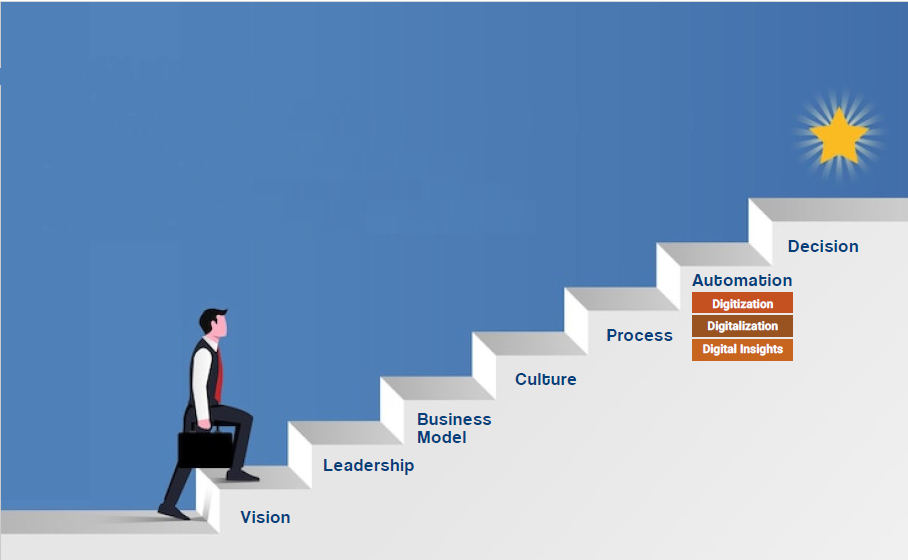
  • Remove manual work
  • Reduce errors
  • Speed up billing & collections
  • Improve staff productivity
  • And use technology only where it actually helps

Why This Exists

Most organisations do automation like this:

Buy software → force staff → hope for results

That’s why you get:

  • Excel + WhatsApp still running operations
  • Staff bypassing systems
  • Billing mismatches
  • Delayed collections
  • No reliable reports

The real problem is not lack of software.
It is lack of process design.

This Roadmap ensures:

Your business is designed first — technology comes after.

Who This Is For

If your business feels busy but not under control, this is for you.

Hospitals

  • 30–300 bed hospitals
  • Using EMR, billing or insurance software
  • Facing delays, leakage, or confusion

Micro Small & Medium Businesses

  • Growing businesses
  • Dependent on people, not systems
  • Using Excel, Tally, WhatsApp, or multiple tools
  • Struggling with cash flow, reporting, or control

What is a Process Automation Roadmap?

It is a business-first automation plan that answers:

  • What should be automated
  • What should stay manual
  • Where money and time is being wasted
  • Which systems should talk to each other
  • What sequence of changes will actually improve cash flow

This is not IT documentation.
This is owner-level clarity.

What We Actually Do

We study:

  • How work flows between departments
  • How data is created, moved, and corrected
  • Where delays and rework happen
  • Where people bypass systems
  • Where revenue or productivity is lost

Then we design:

  • The future process
  • The automation flow
  • The system responsibilities
  • The phased implementation plan

So you know exactly:

What to fix, in what order, and why.

What You Get

At the end, you receive:

  • A clear automation blueprint
  • Which processes to automate first
  • Which tools to keep, replace, or connect
  • How to reduce manual work
  • How to improve billing, reporting, or collections
  • A step-by-step execution plan

No confusion.
No vendor bias.
No wasted investment.

How It Works

Step 1

Diagnostic Review

We understand how your business actually runs today.

  • Owner
  • Superheros
  • Preferences


Step 2

Process Mapping

We map:

  • Workflows
  • Data flow
  • Ownership
  • Pain points

Step 3

Automation Design

We design:

  • What should be automated
  • Where software should be used
  • What must remain human

Step 4

Roadmap Delivery

You receive:

  • A practical, phased automation plan
  • That your team or any vendor can follow

Engagement Model

Duration & Mode

  • 3–4 weeks
  • Remote + short onsite (if needed)
  • No disruption to daily work

Investment

This is positioned as a decision-making investment, not a software cost.

  • Hospitals: ₹2L – ₹4L
  • MSMEs: ₹1.5L – ₹3L

One wrong software or automation attempt usually costs far more.

Note

  • No disruption to daily work
  • Audit fee can be adjusted against future implementation if you choose to proceed.

What This Is NOT

  • Not a software implementation
  • Not a tool recommendation
  • Not vendor-driven
  • Not theory

This is how to run your business better using automation.

Why Ravi

I don’t sell software.
I help owners make the right decisions before spending money.

With 25+ years in technology and deep work with hospitals & MSMEs, I look at:

Process + People + Technology as one system.

That’s how automation actually works.

Testimonials

CEO Health Tech Startup

“We saved ₹20L by avoiding wrong hires — and launched 2x faster.

Founder Ayurveda Learning Platform

His clarity turned our messy MVP into a product investors now love.

Latest Updates