
Lessons from hospitals and MSMEs that quietly get it right
Most conversations about digital transformation focus on failure.
What went wrong.
Who messed up.
Which software disappointed.
That narrative is incomplete — and unhelpful.
Over the years, working with hospitals, MSMEs, and growing product businesses, I’ve had the opportunity to see something far more interesting:
Organisations where transformation actually works — calmly, quietly, and profitably.
No hype.
No dramatic announcements.
No “digital revolution” posters.
Just steady improvement in clarity, control, and outcomes.
This piece is about what those organisations do differently.
The most important shift: clarity before speed
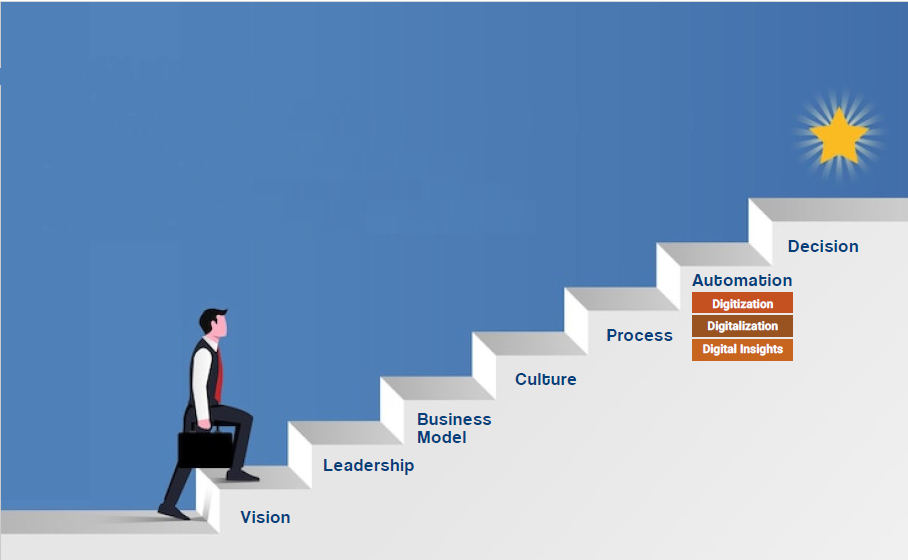 Successful transformations don’t start with urgency.
They start with clarity.
Leaders in these organisations take time to answer a few fundamental questions:
- What business outcome are we trying to improve?
- Where is money leaking or getting delayed today?
- Which decisions must stay with leadership?
- What does “better” look like in 6 and 12 months?
Only after this do they talk about systems, tools, or automation.
This single habit prevents 70–80% of wasted effort.
Transformation feels lighter when leadership stays involved
One common pattern I see in successful hospitals and MSMEs:
Leadership does not disappear after kickoff.
They don’t micromanage.
They don’t interfere daily.
But they:
- Review priorities regularly
- Resolve cross-department conflicts
- Own trade-offs explicitly
- Ask business questions, not technical ones
As a result, technology teams execute with confidence — not guesswork.
Why fewer tools often deliver better results
Interestingly, organisations that transform well often reduce software sprawl.
Instead of adding:
- One system per department
- One dashboard per role
- One workaround per gap
They focus on:
- Fewer systems
- Clear ownership
- Better integration
- Higher trust in data
The outcome is not “more digital” —
it is more usable.
Hospitals that work well don’t chase “best practices”
 This may surprise some.
High-performing hospitals don’t obsess over:
- Global best practices
- Feature-heavy EMRs
- Vendor roadmaps
They focus on:
- Patient flow
- Billing accuracy
- Claims predictability
- Staff coordination
- Owner visibility
Technology is evaluated only on how well it supports these realities.
That discipline makes adoption almost automatic.
Excel and WhatsApp aren’t the enemy — confusion is

Many leaders ask me:
“Why does Excel and WhatsApp still run everything?”
In organisations that transform well, these tools are not banned overnight.
Instead:
- Their purpose is clarified
- Their limits are defined
- Their outputs are trusted or replaced deliberately
This respectful transition builds confidence instead of resistance.
The role of product thinking (even in non-tech businesses)
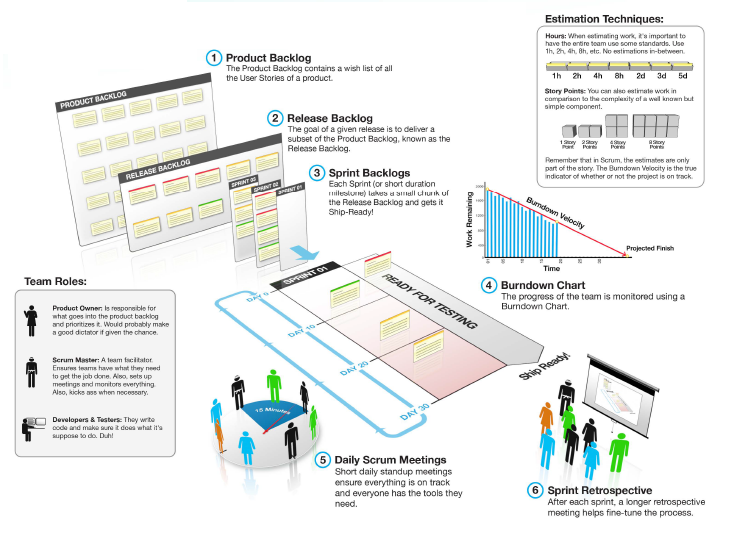 Successful transformations treat internal systems like products:
- Someone owns them
- Outcomes are defined
- Users are understood
- Feedback loops exist
- Improvements happen in versions
This mindset shift alone dramatically improves ROI.
Projects end.
Products evolve.
Coding is important — but not where value starts
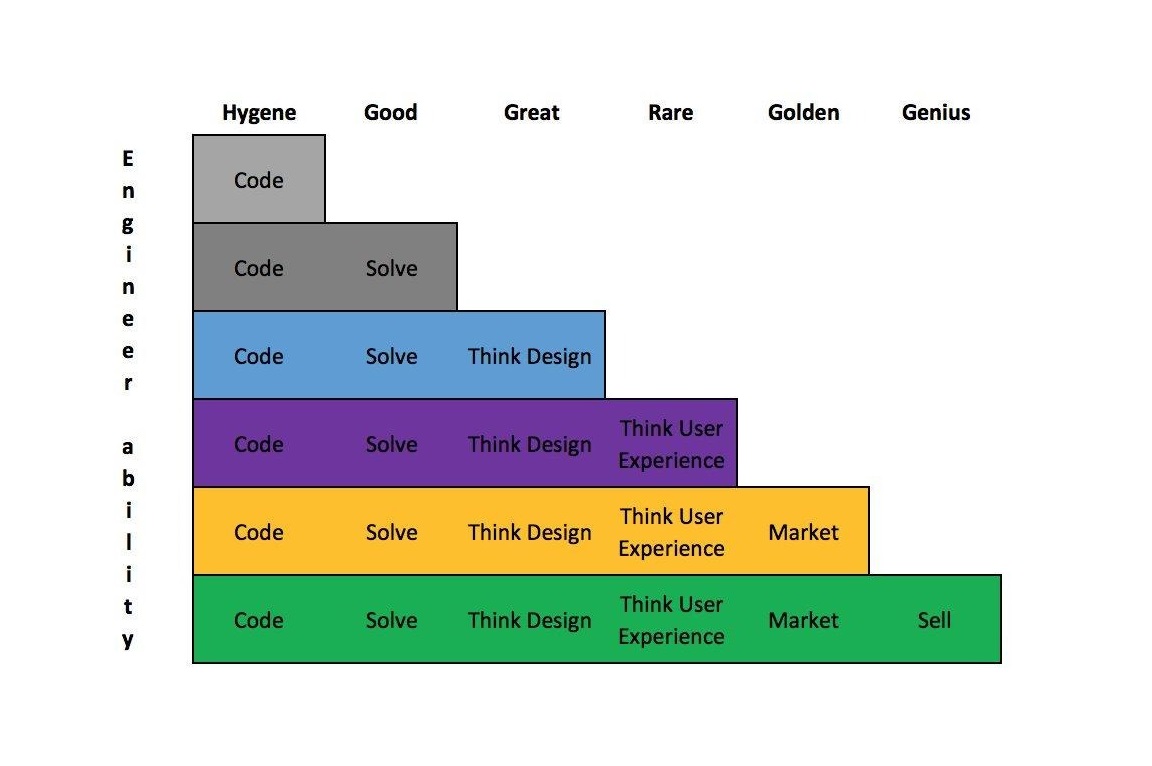 In effective transformations:
- Architecture is thought through
- Data flows are designed
- Quality expectations are explicit
- Release plans are realistic
When coding begins, it feels almost boring —
because the hard thinking is already done.
That is a good sign.
Automation works best when judgment is preserved
High-maturity organisations are cautious with automation.
They ask:
- What decisions require human context?
- What exceptions matter?
- Where should automation stop?
As a result, automation increases trust instead of fear.
Vendors perform better when leadership is clear
One of the most underrated benefits of clarity:
vendors suddenly become far more effective.
Clear scope.
Clear priorities.
Clear success metrics.
Good vendors thrive in this environment.
Why these transformations don’t feel “expensive”
Leaders often tell me:
“This felt simpler than we expected.”
That’s because:
- Fewer reversals happen
- Rework reduces
- Talent is used better
- Decisions stick
Money is spent — but with intent.
The quiet confidence of organisations that get it right
The biggest difference I notice?
Leaders who transform well:
- Are calmer
- Ask sharper questions
- React less emotionally to issues
- Trust their systems more
Transformation, for them, is not a constant fire drill.
It becomes a capability.
Where most organisations can start safely
You don’t need a big program to begin.
What works consistently:
- A short diagnostic phase
- Cross-functional visibility
- Owner-level conversation
- Clear prioritisation
This creates momentum without risk.
A final observation
Digital transformation is not about becoming modern.
It is about becoming intentional.
When intent is clear:
- Technology aligns
- Teams cooperate
- ROI appears naturally
That is what success looks like — from the inside.
A note to owners and CXOs
If you’re planning your next phase of growth, system upgrade, or operational improvement:
Start with clarity.
It is the highest-leverage investment you can make.